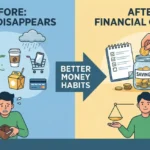
How do you know how much money you need for retirement — this question might have crossed your mind many times, especially when you think about your future. You may not be afraid of getting old, but you definitely don’t want to face financial stress when you stop working. You want a retirement where you don’t depend on anyone, you don’t worry about medical bills, and you live life with self-respect and comfort.
Right now, you work hard for your family, responsibilities, and goals. But deep inside, you also dream of a time when you can finally relax, travel if you want, wake up without deadlines, enjoy hobbies, and live peacefully. That dream becomes possible only when you prepare financially today.
You are not planning retirement for luxury — you are planning it for freedom.
And this article is written to guide you step by step so that you clearly know how much money you will actually need for a safe, stress-free, and independent retirement life.
What Does Retirement Planning Really Mean?
Retirement planning simply means preparing your money today so that you can live comfortably when your regular income stops. It is not only about saving — it is about making sure your money grows enough to support your future lifestyle. Think of it as giving your future self a financial safety net.
There is a huge difference between financial independence and financial dependency after retirement. Financial independence means you have enough funds to take care of your needs, enjoy life, and make decisions without depending on children, relatives, or anyone else. Dependency, on the other hand, brings stress, helplessness, and loss of dignity — something no one wants to face in their old age.
That is why early preparation matters so much. When you start planning and investing early, your money gets more time to grow. Even small monthly investments can turn into a big retirement fund because of compounding. The sooner you begin, the less pressure you feel later — and the greater the peace, comfort, and confidence you enjoy in your
Conclusion
Retirement is not an end — it is a fresh chapter of life that you truly deserve. After years of hard work and sacrifice, you should be able to enjoy peace, dignity, and financial independence without worry.
By planning today, you are giving a priceless gift to your future self — a life where you don’t depend on anyone, where rising costs don’t scare you, and where health challenges can never break you mentally or financially.
Remember, retirement planning is not just about money — it is about freedom, confidence, and happiness.
So start preparing now, step by step, and secure the beautiful tomorrow that you deserve.
FAQs — Frequently Asked Questions About Retirement Planning
1. When is the best age to start retirement planning?
The best time to start retirement planning is as early as possible. If you start in your 20s or early 30s, even small monthly investments can grow into a large fund due to compounding. But even if you begin late, it’s still better to start now than never.
2. How much money is enough for retirement in India?
There is no one fixed number because it depends on lifestyle and expenses. However, a quick way to estimate is:
Retirement Fund = 25 times your annual expenses after retirement
For example, if you expect to spend Rs 7,00,000 per year, you should aim for around Rs 1.75 crore.
3. Is it possible to retire without a pension?
Yes, it is possible. Many people today retire without traditional pensions. You can build your own pension by investing regularly in SIP mutual funds, NPS, EPF, PPF, index funds, and fixed-income plans to create a monthly income for retirement.
4. Can mutual funds help in retirement planning?
Absolutely. Equity mutual funds through SIPs are one of the best long-term tools for retirement because they beat inflation and generate higher growth over time. With disciplined investment and a long holding period, they can help build a strong retirement corpus.
5. What if I start retirement saving late?
If you start late, don’t worry — you still have options. You may need to invest a higher amount per month or work a few more years, but you can still reach your target. Increasing SIP every year and choosing high-growth investment options can speed up results.
6. Should I invest in real estate for retirement?
Real estate can be a good additional asset, especially if it generates rental income. However, it should not be the only plan because property is not always easy to sell quickly. A balanced portfolio with real estate + mutual funds + retirement schemes works best.